Kenya’s currency remained steady last week, offering a sense of calm in the foreign exchange market, even as global economic conditions continued to shift.
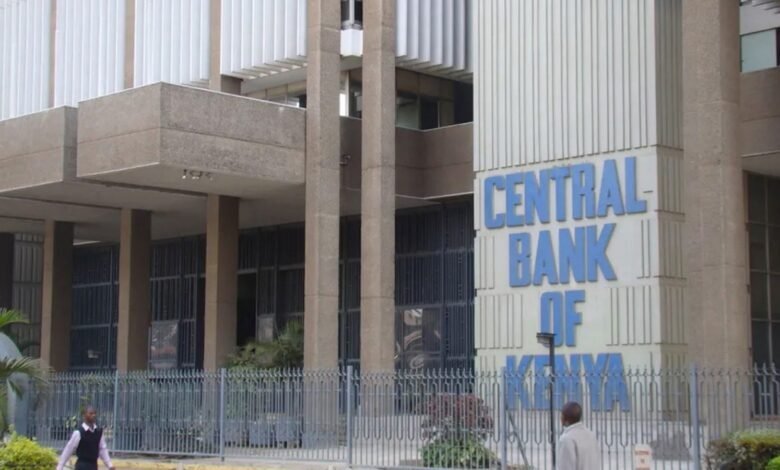
According to the weekly bulletin from the Central Bank of Kenya (CBK) released on February 20, 2026, the Kenya Shilling held firm against major international and regional currencies.
As of February 19, it exchanged at Ksh.129.02 per US dollar, the same rate recorded a week earlier.
This stability is important for businesses that rely on imports and for households watching the cost of goods.
A steady exchange rate helps keep prices predictable and reduces uncertainty in the economy.
FX Reserves
The country’s foreign exchange reserves stood at $12,659 million, which is equivalent to about 5.5 months of import cover.
This is well above the CBK’s legal requirement to hold at least four months of import cover.
In simple terms, these reserves act as a financial safety net and they give the country the ability to pay for essential imports such as fuel, medicine and machinery, even if external inflows slow down.
Also Read: Kenya’s Forex Reserves Drops to Ksh.63 Billion on Debt Repayment
Strong reserves also help support confidence in the shilling and reassure investors about the country’s ability to meet its external obligations.
Meanwhile, activity in the money market remained smooth and liquid, with the CBK noting that open market operations were active during the week ending February 19, ensuring there was enough cash circulating within the banking system.
Commercial banks held excess reserves averaging Ksh.44.3 billion above the required Cash Reserve Ratio of 3.25 percent.
This indicates that banks had more than sufficient liquidity to meet regulatory requirements and support lending.
The Kenya Shilling Overnight Interbank Average Rate (KESONIA), the rate at which banks lend to each other overnight, remained stable at 8.77 percent on February 19, barely changed from 8.78 percent a week earlier.
Stability in this rate suggests that short-term funding pressures within the banking system are well contained.
While the number of interbank transactions stayed the same at 26 during the week, the total value traded increased to Ksh.9.1 billion from Ksh.7.5 billion previously.
This points to slightly larger transactions between banks, even though overall activity levels were steady.
The latest data paints a picture of relative stability in Kenya’s currency, solid foreign exchange buffers and a well-functioning money market.
At a time when global inflation trends and oil prices continue to influence economies worldwide, such steadiness provides a measure of reassurance for businesses, investors and ordinary Kenyans alike.