The government, through the Majority Leader at the National Assembly, will table the National Infrastructure Fund Bill 2026 before the House, putting to rest questions around the Fund’s legalities.
It’s a shift from an earlier stance, back in 2025, when the National Treasury John Mbadi said the government was exploring other modalities to legitimise the Fund.
In an interview with NTV, Treasury Cabinet Secretary John Mbadi said “the Fund doesn’t have to be a Bill as such,” but confirmed the proceeds of privatization, almost 80%, will go into the Fund.
The interview was conducted in late 2025, with the CS saying, “we are looking at modalities of setting the Fund, perhaps through the budget process, but what we may need to do is have an institution which will manage it.”
The National Infrastructure Fund (NIF) is designed to mobilise large-scale financing for key development projects across the country.
It is part of the plan to accelerate infrastructure development in areas such as roads, energy, transport and trade connectivity.
Also Read: The Kenya’s Infrastructure and Sovereign Fund: Where Will the KSh 5 Trillion Come From?
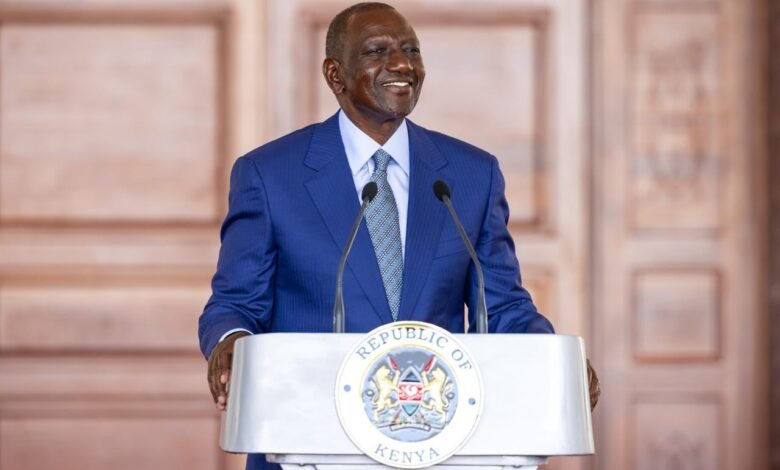
President William Ruto said the fund could support projects worth trillions of shillings, positioning it as a central pillar of Kenya’s long-term economic transformation agenda.
Initially, the proposal was driven largely through Cabinet approvals and executive pronouncements, with limited legislative engagement.
Critics questioned the governance structure of the fund, its ownership model and the level of parliamentary oversight it would receive.
There were also concerns about whether it would operate outside the traditional budget framework, potentially reducing transparency.
Treasury officials have defended the initiative, saying the fund will be professionally managed and subject to strict accountability measures.
The government has argued that the NIF will reduce reliance on external borrowing and taxation by attracting capital from public–private partnerships, capital markets, privatisation proceeds and international investors.
The decision to formally introduce the Bill in Parliament leans towards the state seeking legislative backing and addressing concerns about oversight and legality that had slowed momentum around the proposal.
The Bill will be tabled by Kikuyu MP, Kimani Ichungwa, coming at a time when Kenya is navigating economic pressures, including debt management challenges and public sensitivity around fiscal reforms.
The NIF is being presented as a tool to unlock infrastructure financing without placing additional strain on taxpayers.