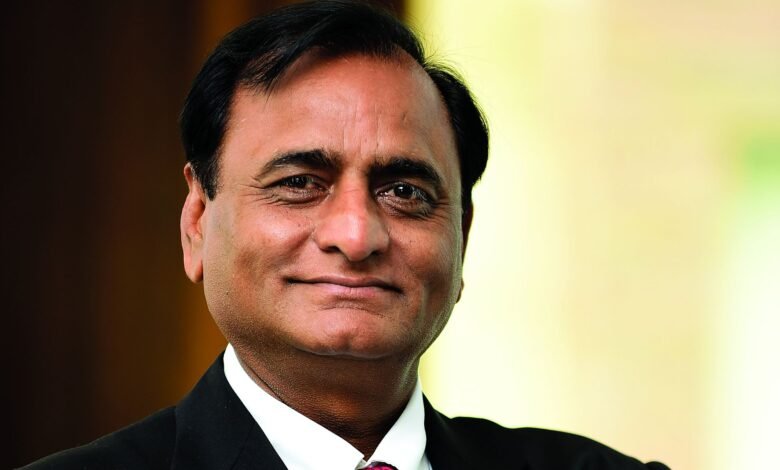
Industrialist Narendra Raval is working to settle a Ksh.1.6 billion ($12 million) tax dispute between his company, Devki Steel Mills Limited, and the Kenya Revenue Authority through an out-of-court settlement process.
Lawyers for the steel manufacturer told the High Court in Mombasa that both sides are in active discussions and are trying to resolve the matter through alternative dispute resolution instead of continuing with a full court battle.
The case involves Devki, the Treasury Cabinet Secretary and the tax authority, and centres on a VAT claim linked to imported machinery used to set up the company’s mega steel plant.
Devki’s legal team said they had formally written to the defendants to confirm that negotiations were ongoing and that efforts were being made to reach an amicable agreement.
Lawyers representing the tax authority confirmed they had received communication indicating a settlement may have been reached and that Devki could withdraw the case. Justice Florence Wangari asked both sides to confirm their clients’ positions before the case proceeds further.
The dispute relates to $12 million in VAT on equipment that Devki imported to build its large steel factory. The company says it was granted a VAT exemption in 2020 and that the Treasury had committed to settling the tax with the revenue authority.
According to court documents, Devki applied for the exemption in June 2020 when the Covid-19 pandemic had put pressure on cash flows. The company states the Treasury Cabinet Secretary approved the request and officially communicated this commitment to the tax authority.
Also Read: Ruto officially opens Devki steel plant in Kwale
Based on that approval, Devki says it cleared its machinery without paying VAT and went ahead to build the factory, which now employs nearly 10,000 people.
However, several years later, the tax authority issued a demand notice claiming that more than $10 million in VAT had not been paid by the Treasury.
The amount was later revised to $12 million after penalties and interest were added. Devki argues that reversing the exemption four years later is unfair and unlawful.
The company says it had a legitimate expectation that the tax had been properly exempted and that the Treasury’s commitment would be honoured.
It is asking the court to stop the tax authority from demanding the VAT and to compel the Treasury to fulfil its earlier undertaking.
On its part, the tax authority maintains that the alleged commitment was not valid because it did not bear the signature of the responsible Cabinet Secretary. It argues that proper authorisation is required, especially when large tax amounts are involved.
The case raises important questions about tax policy, government strings and investor confidence, and the court has said negotiations will continue next month.