Kenya has built up enough Chinese yuan reserves to comfortably repay loans that were recently converted from US dollars into China’s currency, according to the Public Debt Management Office.
Last year, Kenya became the first African country to switch some of its Chinese loans from dollars to yuan. While the move lowered interest costs, the International Monetary Fund cautioned that it also introduces new currency risks because repayments are now tied to the Chinese currency.
National Treasury data shows Kenya owed 7.26 billion yuan by June 2024.
Kenya’s move has drawn attention from other countries facing debt pressure.
Ethiopia is considering converting part of the $5.38 billion it owes China into yuan after defaulting on a Eurobond.
Zambia, on the other hand, has allowed Chinese mining firms to pay taxes in yuan. Sri Lanka, which defaulted in 2022, has also taken a $500 million yuan-denominated loan for infrastructure.
Raphael Owino, Director General of the Public Debt Management Office, said the government does not expect any difficulty in accessing the yuan needed to service the loans.
Also Read: Kenya to Save $215 Million Annualy from SGR Debt in Fresh Repayment Plan
He said the total debt burden has reduced and that Kenya is currently in a four-year grace period where it only pays interest, easing pressure on repayments.
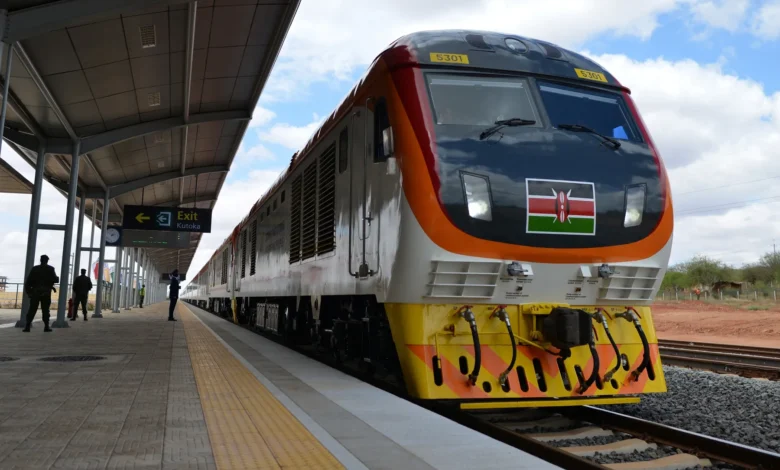
The loans were originally used to build the Standard Gauge Railway (SGR) and as of June 2024, about $3.5 billion remained outstanding.
According to Bloomberg, Kenya typically spends around $1 billion annually servicing Chinese loans, making China its largest bilateral creditor.
Kenya expects to save about $215 million each year by switching to Yuan since interest rates have fallen to as low as 3 percent, compared to much higher rates on the dollar loans.
One loan will still mature in 2029, while the other two, previously due in 2034 and 2036, have been extended into the 2040s.