Kenya’s annual inflation rate slowed slightly in January 2026, dropping to 4.4 percent from 4.5 percent in December 2025.
This, even as food prices continued to climb under the pressure of drought conditions affecting local production.
Lower transport and communication costs helped counterbalance the upward pressure from some basic food items.
Reduced costs for intercity transport and declines in mobile and internet service fees also saw a moderate headline inflation.
However, drought-linked supply constraints have pushed up the cost of several staples.
Also Read: Kenya’s Inflation up to 3.5% in February
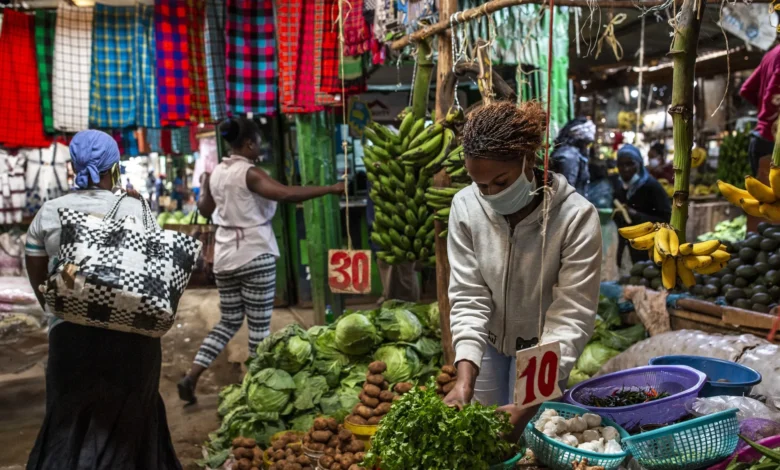
Vegetables such as cabbages and sukuma wiki, and key cereals like maize flour, recorded an uptick in price, pointing to unvafourable weather conditions in the country.
Kenya’s inflation rate has remained within the Central Bank of Kenya’s preferred target range of 2.5–7.5 percent, supported by stable core inflation, manageable fuel costs, and a relatively steady currency.