The Democratic Republic of Congo (DRC) has struck a new deal that puts its state mining company front and centre in the global copper market.
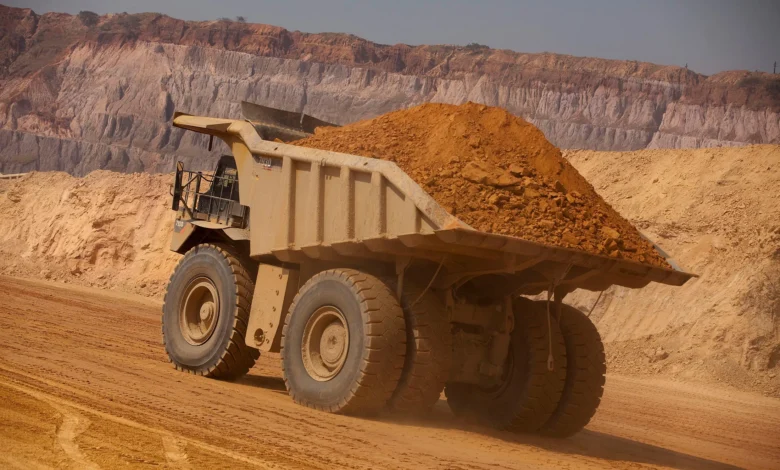
Late last week, officials from the Congolese state miner Gécamines agreed with counterparts tied to Glencore Plc on rights that will allow Gécamines to take on a much larger role in selling copper output from the vast Kamoto Copper Company (KCC) operation in the country.
Under the terms of the arrangement, Gécamines will be able to market about half of KCC’s copper production for the next two years and then at least 30% thereafter, according to people familiar with the matter.
For Congo, Copper has become one of the nation’s most prized resources, especially as demand surges worldwide for the metal that powers electric vehicles, renewable energy systems and critical infrastructure.
State officials have long pushed for greater control over how Congolese minerals are marketed internationally.
Also Read: Trump Orders Universal 50% Tariff on Imports of Certain Copper Products
Those familiar with the discussions, as reported by Bloomberg, say the new arrangement fits into a broader strategy to deepen the government’s involvement in the value chain, rather than merely receiving royalties or minority shares.
In practical terms, this means that for the coming year or two, Gécamines will be actively reaching out to buyers, negotiating contracts and directly participating in global copper markets alongside or even in place of its foreign partners.
It’s a shift that many in Kinshasa say will bring benefits back home, from more revenue retention to increased influence over pricing and supply agreements.
A seasoned observer of the mining sector noted privately that “for Congo, this is about owning its destiny in mineral trading.”
While that comment has not been made public, people close to the matter spoke on condition of anonymity because the details of the deal have not been formally announced by either company.
Glencore did not immediately comment for this story, and details such as financial terms were not disclosed.
Still, the agreement follows similar deals that allow Gécamines to trade copper from other projects where it holds minority stakes, part of an ongoing effort to strengthen the state miner’s market footprint.