

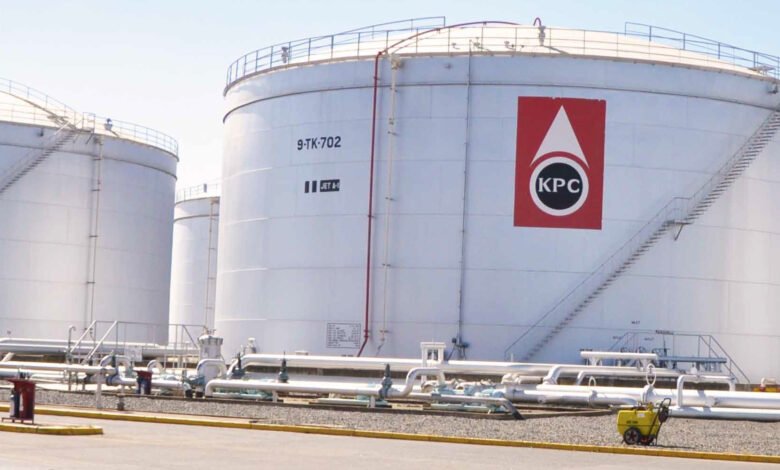
As the clock ticks down on the final day of the Kenya Pipeline Company (KPC) Initial Public Offering (IPO), investors are watching the screens closely.
The market, as measured by the Nairobi Securities Exchange All Share Index (NASI), slipped 1.55% in intraday trading Midday-Thursday, the very day an IPO is closing.
But does today’s dip tell us anything about the likely outcome of KPC’s offer?
An IPO is different from everyday trading on the exchange.
Also Read: KPC To Reduce Petrol Reliance, Invest in Fibre Optic Following IPO Launch
While NASI reflects the mood of the secondary market, shares already listed and changing hands, an IPO happens in the primary market. Investors are subscribing to new shares at a fixed offer price, often after weeks of evaluation.
This is to say that a single red trading session does not automatically translate into weak demand. What matters more is the bigger picture: pricing, liquidity and investor confidence.
KPC is seeking to raise approximately Ksh.106 billion through the share sale, with the offer structured to attract both retail and institutional investors.
