

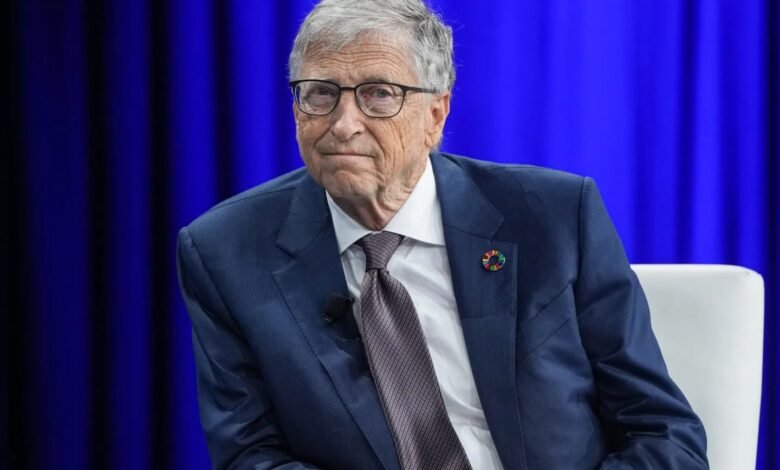
Bill Gates has dismissed social media claims linking him to a reported increase in mosquito activity in Kenya, with his foundation describing the allegations as false and misleading.
The Gates Foundation released a statement after online posts claimed that mosquitoes allegedly released from laboratories connected to Gates were behind rising biting incidents, especially in Nairobi. The claims spread quickly online, prompting the foundation to respond publicly.
The controversy followed comments by Senior Counsel and politician Paul Muite, who alleged in a social media post that genetically modified mosquitoes linked to the foundation were being released as part of malaria control efforts and were harming children and the elderly.
In its response, the Gates Foundation said these claims wrongly portray its work in Kenya’s public health sector. The organization said it does not release mosquitoes, run laboratories involved in insect release, or take part in mosquito control operations in Kenya or any other country.
The foundation explained that Bill Gates is not involved in any biological field activities and that its role is limited to funding research and supporting programs run by local authorities.
It described the allegations as part of misinformation surrounding public health initiatives.
Also Read: Inside Ruto’s $2.5 Billion Healthcare Deal Signed with U.S
It explained that any work it supports in Kenya follows national laws and is carried out under the supervision of Kenyan institutions. It said it does not bypass government procedures or impose programs on countries.
The statement clarified that malaria prevention and control in Kenya is managed by the government through established systems such as the National Malaria Control Programme under the Ministry of Health. These efforts include distributing treated mosquito nets and conducting indoor spraying.
The Gates Foundation said its involvement is limited to supporting Kenyan-led priorities through funding, research partnerships and technical assistance, while decisions on how programs are carried out are made by local experts and regulators.
Although the foundation funds global research into new malaria control tools, including studies on mosquito biology, it emphasized that such work follows strict ethical and regulatory guidelines and that operational decisions in Kenya are made locally.
The claims have drawn mixed reactions from the public, with some expressing concern and others calling for better understanding of malaria prevention. Health experts have warned that misinformation can undermine trust in proven disease control measures.
Malaria remains a serious health challenge in Kenya, particularly in regions with limited healthcare access, and officials continue to emphasize the need for prevention and public education.
The foundation concluded by saying Bill Gates will keep supporting evidence-based public health efforts and urged the public to rely on information from credible health authorities rather than unverified social media reports.
