

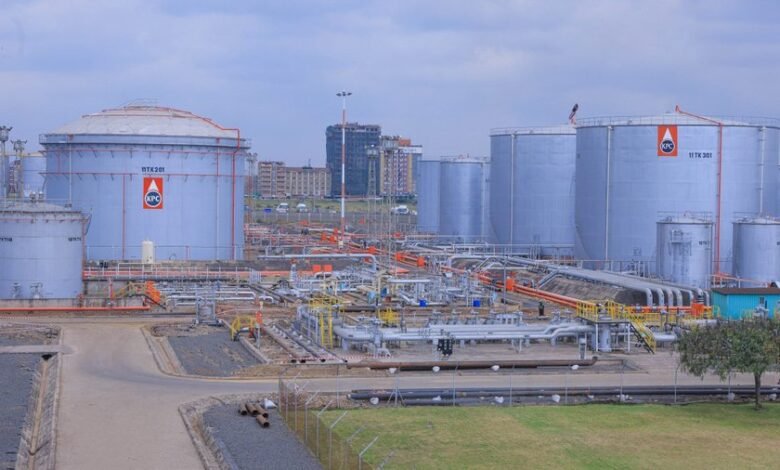
Kenya Pipeline Company (KPC) is planning to reduce its reliance on the petroleum business from 95 per cent to 81 per cent.
The company said on Tuesday that it is looking to grow other sources of income based on its 2025–2030 strategy, a change that will be supported by investments in fibre optic connectivity and liquefied petroleum gas (LPG) infrastructure.
Joe Sang, KPC Chief Executive and Managing Director, during a media roundtable meeting at a hotel in Nairobi said the company also plans to build an LPG bulk import and storage facility in Mombasa.
This will include the expansion of its fibre optic cable business by connecting to submarine cables, using satellite links, and transporting large volumes of data and digital content.
“Major clients in non-oil business include Safaricom, MTV, among other telcos in the East African market,” Sang told journalists.
The company is also considering new opportunities such as transporting natural gas to regional markets, including Tanzania and other East African countries.
Also Read: Government Explores IPO for Kenya Pipeline at NSE
Even though the company plans to diversify, demand for petroleum products in the region remains strong.
This is mirrored in the 2024/25 financial year, which indicates total demand stood at 13 million cubic metres, with transit markets accounting for 7.5 million cubic metres.
These markets include Uganda, South Sudan, Rwanda, the eastern Democratic Republic of Congo, and Burundi.
KPC expects domestic fuel demand to grow from 5.8 million cubic metres in 2024/25 to 6.6 million cubic metres by 2029/30.
Transit volumes through the Port of Mombasa are also projected to rise from 4.1 million to 5.0 million cubic metres over the same period.
To mitigate future risks as the company looks to go public on March 9, 2026, Sang said the company is well-positioned to realise the country’s ambition to cut 32 percent of gas emissions by 2030.
The African continent is looking at about 25 to 30 years, a period during which fuel will remain a significant substance to keep engines running.”
All domestic fuel supplies and about 65 per cent of transit imports currently pass through the Port of Mombasa.
Uganda remains the largest transit market on the Northern Corridor, making up 65 per cent of transit demand, followed by eastern DR Congo at 19 per cent, South Sudan at 15 per cent, and Rwanda at one per cent.
