

Kenya’s digital lending industry has welcomed several tax reforms introduced under the Finance Act 2026, saying the changes will help keep borrowing affordable, encourage investment and provide greater certainty for businesses. However, industry players caution that significant tax policy issues remain unresolved.
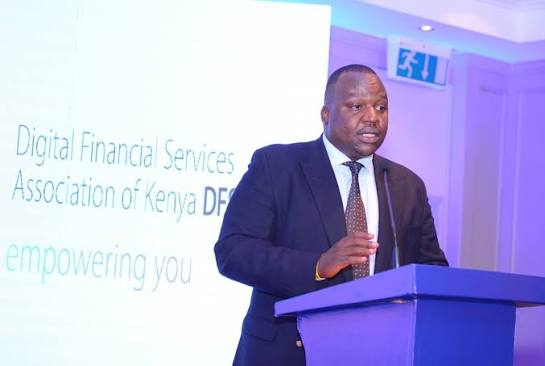
The Digital Financial Services Association of Kenya (DFSAK), which represents 35 licensed digital credit providers, said Parliament adopted six key proposals submitted by the industry during public participation on the Finance Bill 2026.
According to the association, the changes will allow lenders to reinvest profits without attracting additional taxes, maintain the affordability of smartphones, improve tax treatment of bad debts and protect taxpayers during disputes with the Kenya Revenue Authority (KRA).
The reforms follow months of consultations between DFSAK, lawmakers and other stakeholders, during which the industry argued that some of the original Finance Bill proposals would have raised the cost of credit, discouraged investment and made smartphones more expensive for millions of Kenyans.
Fred Kimotho, Associate Director and Tax Policy Lead at Deloitte East Africa, said the outcome demonstrates the value of meaningful engagement between government and the private sector.
“For the financial services sector, the Finance Act 2026 is a positive example of responsive policymaking informed by technical expertise and stakeholder engagement. We are delighted to have partnered with DFSAK in contributing to reforms that will support financial inclusion, preserve investment, and enhance tax certainty,” he said.
Kimotho also thanked the National Assembly’s Departmental Committee on Finance and National Planning for considering the industry’s concerns, saying the process strengthens confidence in Kenya’s ability to develop tax policies that support economic growth.
Among the biggest wins for the sector was Parliament’s decision to abandon a proposal that would have imposed dividend withholding tax on retained earnings. The industry says the move allows companies to continue reinvesting profits into expanding lending services and developing new technologies without facing additional tax penalties.
Lawmakers also dropped a proposal to increase excise duty on smartphones from 10 percent to 25 percent and rejected plans to introduce an activation-based tax. At the same time, they retained the zero-rating of locally assembled mobile phones, helping preserve the VAT input chain and supporting local manufacturing.
Also Read: Kenyan MSMEs Contributing Ksh.1 Trillion in Deposits But Face Credit Access Challenge
Other changes include improved tax deductions for qualifying lenders on bad debts, exempting the realization of collateral from VAT as a financial service, and rejecting proposals that would have allowed the KRA to issue agency notices while tax appeals are still ongoing.
DFSAK Chairman Kevin Mutiso described the reforms as an important milestone for Kenya’s digital financial services sector.
“Our objective was simple: protect the digital financial services ecosystem that millions of Kenyans depend on. Six of our submissions are now law. That means smartphones stay affordable, startups can reinvest without penalty, and borrowers will not see their loan costs inflated by a cascade of new taxes on the rails that carry their money.”
However, Mutiso stressed that the work is far from complete.
“This is real progress but it is progress on individual provisions, not a settled tax environment. We will keep pressing for the long-term certainty this sector, and the customers it serves, need to plan with confidence.”
Despite celebrating the reforms, DFSAK says three major concerns remain.
The first is an ongoing High Court case involving historical tax claims dating back to December 2022, with the next hearing expected in September. The association says the dispute remains unresolved and will continue to be pursued through the courts.
Secondly, while Parliament dropped the proposal to tax retained earnings, the association believes uncertainty still exists over how the KRA may treat retained profits in future audits. DFSAK says its members are strengthening documentation to demonstrate that retained earnings are reinvested into technology, expanding lending capacity and reaching underserved customers.
The industry also notes that the wider tax burden remains largely unchanged. PAYE tax bands were not adjusted under the Finance Act, while several withholding tax measures remain in place, meaning employees and businesses continue to face significant tax obligations.
Julian Mitchell, Chief Executive Officer of 4G Capital, said the reforms provide lenders with greater confidence to expand access to affordable credit, particularly for small businesses.
“The Finance Act 2026 is a constructive and pragmatic step that recognises the unique nature of digital lending. Clarifying bad debt deductibility and rationalising VAT treatment gives us a clearer path to scale our lending capacity and deepen our reach into rural markets.”
He added that the reforms will directly benefit entrepreneurs by increasing the capital available for lending.
“The income we generate is reinvested directly into our loan book, increasing the capital available to customers and strengthening their ability to grow. This certainty therefore benefits not only our business, but the entrepreneurs and communities we serve.”
Mitchell said the industry views the reforms as more than tax changes, describing them as an opportunity to accelerate innovation, financial inclusion and support for Kenya’s small businesses.
Looking ahead, DFSAK says it will continue engaging policymakers and regulators to resolve outstanding tax disputes, clarify the treatment of retained earnings and advocate for a stable, predictable tax framework that encourages long-term investment and sustainable growth.
The association believes the Finance Act 2026 demonstrates that evidence-based engagement between the private sector and government can produce practical policy outcomes that benefit businesses and millions of Kenyans who rely on digital financial services.
