

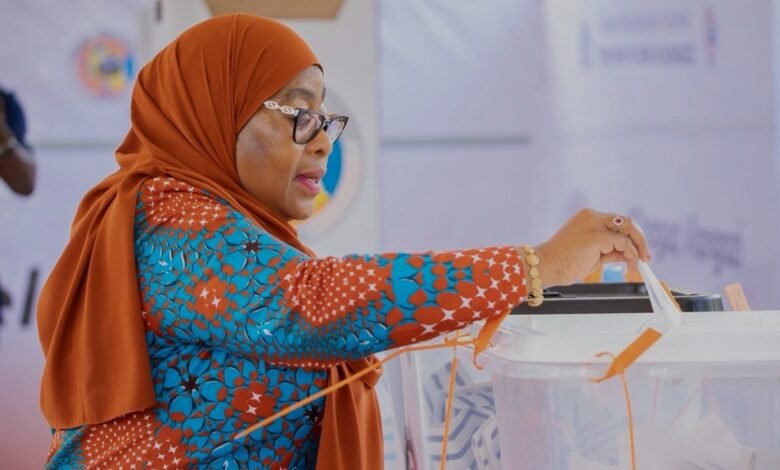
Tanzania is facing mounting international pressure following a wave of violent unrest that erupted around the country’s October 29 elections, with major global powers expressing deep concern over human rights violations, political repression, and the safety of civilians.
In a strongly worded statement issued on December 4, 2025, the United States announced a comprehensive review of its bilateral relationship with Tanzania.
According to U.S. State Department Principal Deputy Spokesperson Thomas “Tommy” Pigott, recent actions by President Samia Suluhu Hassan’s government have raised “grave concerns about the direction of our bilateral relationship and the reliability of the Tanzanian Government as a partner.”
Washington cited the repression of free speech and religious freedom, barriers to U.S. investment, and “disturbing violence against civilians” in the days post the elections. The U.S. said the situation has placed American citizens, tourists, and U.S. interests in Tanzania at risk, threatening decades of cooperation.
“The United States cannot overlook actions that jeopardize the safety of our citizens or the stability of the region,” the statement reads in part, and that the future of bilateral ties will depend entirely on Tanzania’s actions moving forward.
Also Read: UN believes hundreds were killed in Tanzania election protests
Western Nations Condemn Killings, Disappearances, and Abuse of Power
The US statement was shortly followed by a joint statement from the British High Commission, the Canadian High Commission, and the embassies of 17 European countries. These included Germany, France, Norway, the Netherlands, Sweden, and the EU delegation, who expressed deep regret over the tragic loss of lives during and after the election.
The statement highlighted credible reports from both domestic and international organizations pointing to extrajudicial killings, disappearances, arbitrary arrests and concealment of bodies.
Diplomatic missions called on Tanzanian authorities to immediately release all bodies of the deceased to their families, free all political prisoners, and ensure detainees have access to legal and medical support.
They also urged the government to act on the African Union (AU) and Southern African Development Community (SADC) preliminary reports, which flagged significant shortcomings in the electoral process.
The growing chorus of concern marks one of the most consequential diplomatic challenges Tanzania has faced in years. With the U.S. formally reviewing bilateral relations and major Western countries demanding accountability, the Suluhu administration now faces a critical decision point, among them to undertake meaningful reforms and investigations or risk deeper international isolation.
