

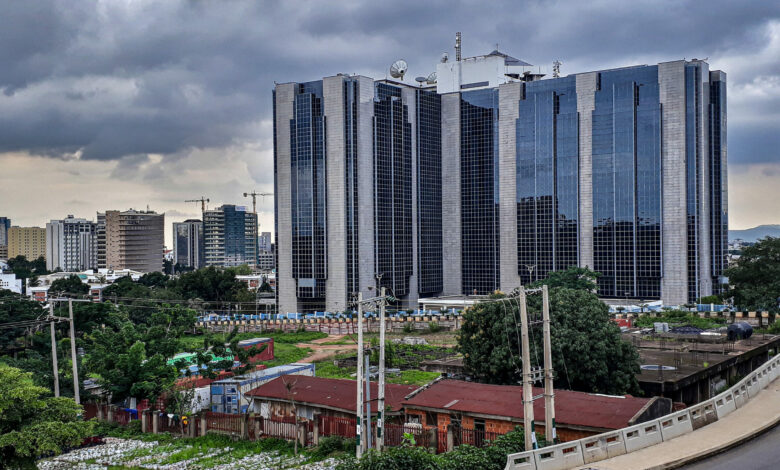
The Central Bank of Nigeria (CBN) went on a volley Wednesday when it revoked licenses belonging to microfinance banks in the country.
Some of them, including Sycamore, had plans to transform a digital lender into a full-fledged banking player.
The fintech, however, insists the decision is tied to problems that existed long before it took over the Kano-based Tier-2 microfinance bank and does not reflect the health of its current business.
In just under two days to July 1, 2026, the regulator went on a rampage in what it is seen as a sweeping regulatory action, where some cases are historical.
According to Sycamore, the affected licence belonged to an institution it had recently acquired as part of its strategy to expand into deposit-taking and payment services.
“The issues leading to the revocation predate our acquisition,” the company said in a statement, explaining that the microfinance bank had not yet been fully integrated into Sycamore’s operations when it became part of the regulator’s sector-wide compliance review.
A popular shortcut for fintechs
Sycamore is not alone in choosing acquisition over the lengthy process of applying for a fresh banking licence.
In recent years, several Nigerian fintechs have bought existing microfinance banks as a faster route into regulated banking. The strategy allows them to offer deposit accounts, process payments and access cheaper sources of funding without waiting years for regulatory approval.
But the latest action by the CBN serves as a reminder that buying a licence does not necessarily erase a bank’s past.
If an acquired institution carries unresolved compliance issues, the new owner may still have to deal with the consequences.
Also Read: Nigeria Plans $2.9 Billion Debt Raise to End Power Shortages
In two days, the regulator revoked the licences of 47 microfinance banks, saying the affected institutions no longer met the standards required to operate as licensed financial institutions.
The banks cut across several categories, including Tier 1, Tier 2 and state microfinance banks—and were spread across states such as Lagos, Kano, Abuja, Kaduna, Ogun and Rivers.
Among those affected were NowNow Digital MFB, Creditville MFB, Safegate MFB, Sycamore MFB, Gold MFB and Entrepreneur MFB.
According to the central bank, the affected institutions were found to have committed one or more serious regulatory breaches. These included failing to maintain enough assets to meet customer obligations, shutting down operations without regulatory approval, remaining inactive for prolonged periods, failing to commence business within one year of receiving a licence, or falling below the minimum capital requirements.
Under Nigeria’s banking regulations, National Microfinance Banks are required to maintain a minimum paid-up capital of ₦5 billion (approximately US$3.65 million), while State Microfinance Banks must hold ₦1 billion (approximately US$729,000). Tier 1 institutions require ₦200 million (approximately US$145,800), and Tier 2 institutions must maintain at least ₦100 million (approximately US$72,900) in paid-up capital.
While most of the affected institutions lost their licences on July 1, Goldman Microfinance Bank had already entered liquidation.
The lender had voluntarily applied to wind up its operations after becoming critically undercapitalised. The CBN said the bank no longer had sufficient assets to cover its liabilities and had breached provisions of the Banks and Other Financial Institutions Act (BOFIA), 2020. Its licence was revoked on May 21.
The latest enforcement action signals that the CBN is tightening oversight across Nigeria’s financial sector.
Following the completion of the commercial banking recapitalisation exercise earlier this year, the regulator appears to be turning its attention to microfinance institutions, ensuring that only financially sound and compliant players remain in the market.
