

Stanbic Bank Kenya is in active discussions with the government of Kenya on potential financing mechanisms to support the servicing of Kenya’s yuan-denominated debt, following the re-denomination of a portion of the country’s Standard Gauge Railway (SGR) obligations into Chinese currency.
Stanbic Bank Kenya Chief Financial Officer Dennis Musau confirmed that the lender has been engaging authorities as the country adapts to the new currency structure of its debt portfolio.
“Those conversations are always ongoing,” Musau said, when asked whether Stanbic had held talks with the government on clearing yuan-denominated obligations.
He added that when the government signals an intent to re-index its cost of financing, the bank views this as a cue to participate and explore how it can support the process.
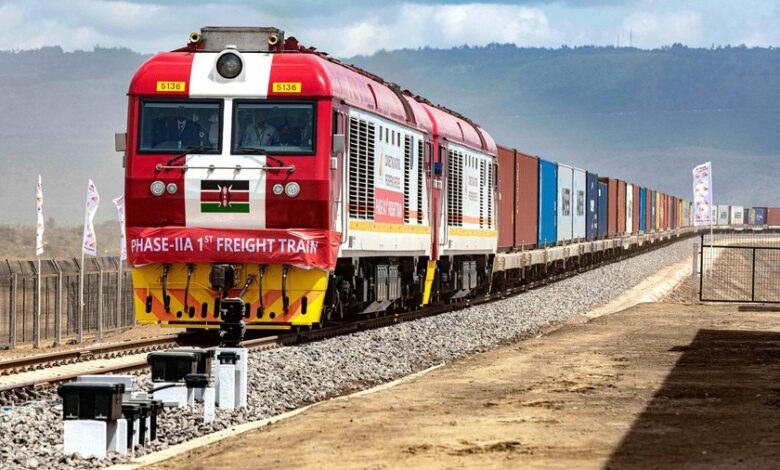
The discussions follow Kenya’s re-denomination of approximately $6 billion in SGR-related debt into Chinese yuan, a move intended to ease pressure on the country’s dollar liquidity and reduce its exposure to US currency fluctuations.
Also Read: Kenya’s Yuan Debt Swap Prompts China to Globalize Currency
The shift comes as Kenya works to deepen its use of yuan transactions and build out mechanisms for settling obligations in the Chinese currency, an effort given further impetus after the People’s Bank of China authorised yuan clearing across Africa on June 26, expanding scope for cross-border payments and trade settlement in the currency.
However, the currency shift introduces new considerations for debt servicing.
Kenya runs a substantial trade deficit with China, importing significantly more than it exports, which limits the natural inflow of yuan through trade channels.
This dynamic increases the country’s reliance on financial-market mechanisms to source the currency needed to meet its obligations.
A local yuan-clearing framework, if developed, could help Kenya reduce its dependence on routing transactions through the US dollar when settling payments with China.
Analysts note that the re-denomination does not reduce Kenya’s underlying debt burden it merely changes the currency in which the obligation is measured, introducing new variables around yuan availability, exchange-rate movements, and servicing costs.
Whether the arrangement ultimately lowers Kenya’s overall debt-servicing costs will depend on the liquidity and pricing of yuan in the market, and the government’s consistent ability to access the currency as payments fall due.
