

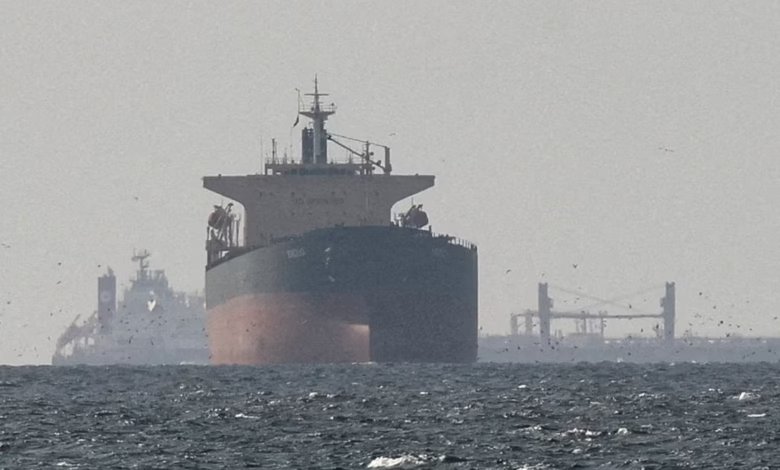
Global oil prices fell sharply after the United States and Iran paused military strikes, easing fears of a prolonged conflict that could disrupt energy supplies from the Middle East.
Brent crude dropped by about 7%, while U.S. West Texas Intermediate (WTI) also posted steep losses as traders responded to signs of de-escalation and growing hopes that diplomatic efforts could prevent further disruptions to oil shipments through the Strait of Hormuz, one of the world’s busiest energy trade routes.
The decline in oil prices also lifted sentiment across global financial markets, with investors viewing the easing tensions as a positive signal for inflation and economic growth.
Also Read: How Global Tensions Are Forcing Kenya to Rethink Its Oil Lifeline
Lower crude prices reduce energy costs for businesses and consumers, easing pressure on central banks that have been battling inflation.
Despite the market rally, analysts caution that the situation remains fragile.
Shipping through the Strait of Hormuz has yet to fully normalize, and any renewed military action could quickly send oil prices higher again.
